
In the world of power supplies, efficiency is the king that everyone talks about. We often see labels like "Level VI" or "High Efficiency" on adapters, which is fantastic. But there's a silent, equally important partner in this efficiency story that doesn't always get the spotlight: Power Factor Correction, or PFC.
If you've ever wondered why some power adapters are bulkier than others despite having the same wattage, or why businesses are increasingly mandating "PFC compliant" power supplies for their equipment, this article is for you. Let's demystify this crucial technology.
Simply put, the power factor is a measure of how effectively electrical power is being used. It's a ratio between the Real Power (the power that actually does the work, measured in kilowatts, kW) and the Apparent Power (the total power drawn from the grid, measured in kilovolt-amperes, kVA).
Think of it like a glass of beer: the Real Power is the liquid beer you actually get to drink. The Apparent Power is the total volume of the glass, which includes both the beer and the foam. A high power factor means more "beer" (real power) and less "foam" (wasted energy). A perfect power factor is 1.0.
You might think, "If my device works, why does this number matter?" Here’s why PFC has become a critical specification:
For the Grid and Infrastructure: Devices without PFC (often called non-PFC or passive PFC supplies) draw current in short, high-energy pulses rather than a smooth wave. This creates "harmonic distortion" that can overheat neutral wires in office buildings, interfere with other equipment on the same circuit, and put unnecessary strain on the electrical grid. For a factory floor or an office full of computers, this can lead to unstable power and higher maintenance costs.
For Your Electricity Bill (for larger users): While residential users are typically billed for real power (kW), large commercial and industrial users are often billed for apparent power (kVA) to account for the inefficiencies caused by low power factors. A low power factor means you're paying for "foam" – energy you're drawing but not using effectively. Using power adapters with Active PFC can significantly improve the PF (often to 0.95 or higher), reducing these kVA demands and leading to direct cost savings on energy bills.
Compliance and Standards: Many international efficiency standards and certifications now require or highly recommend PFC for power supplies above a certain wattage (typically 75W-100W). It’s a key component in meeting Energy Star and other global eco-design directives.
You'll generally encounter two types of PFC in power adapters:
Passive PFC: An older, simpler method that uses a large inductor (a "choke") to smooth out the current pulses. It's less effective, can make the adapter heavier, and its performance can vary with the load.
Active PFC: A more modern and sophisticated circuit that actively shapes the input current to follow the voltage waveform. It achieves a very high power factor (up to 0.99), is lighter and more compact, and automatically adjusts for different input voltages (wide range 100-240V AC).
At ShenZhen Top Power Co., Ltd. , we prioritize designs incorporating Active PFC in our higher-wattage desktop and interchangeable plug adapters. We believe that a truly reliable power source doesn't just convert energy; it respects the grid it draws from and maximizes the value of every kilowatt for our customers.
Whether you're powering sensitive medical devices, industrial control systems, or a network of telecommunications equipment, choosing an adapter with Active PFC is an investment in stability, compliance, and long-term operational efficiency.
 Switching to Efficiency: The Benefits of Switch AC Adapters
 AC Adapter Laptop Chargers: Reliable Power Sources
 Unveiling the Advantages of 60335 Power Adapters: Safety and Reliability in a Compact Design
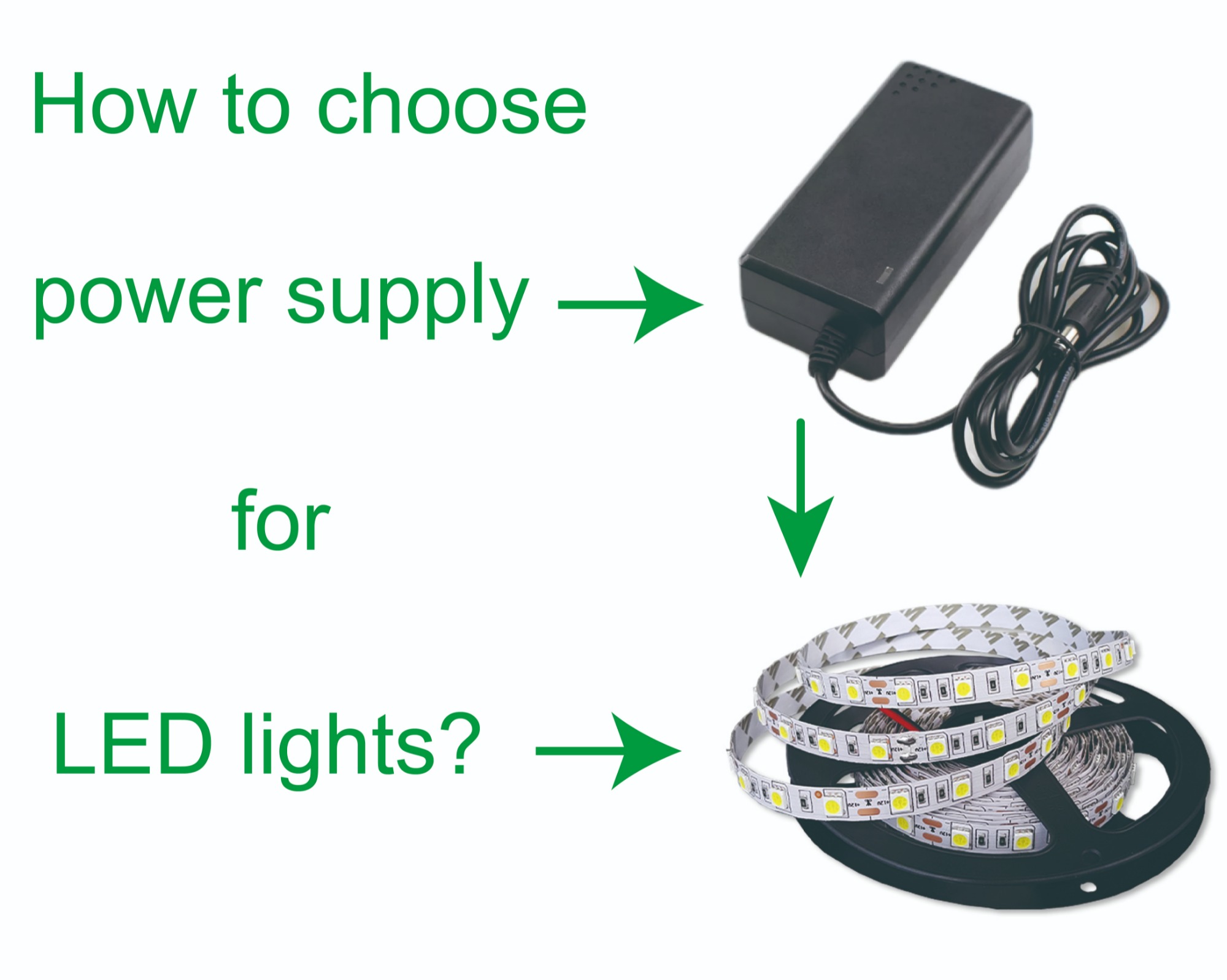 How to choose a led power supply for LED lights?